
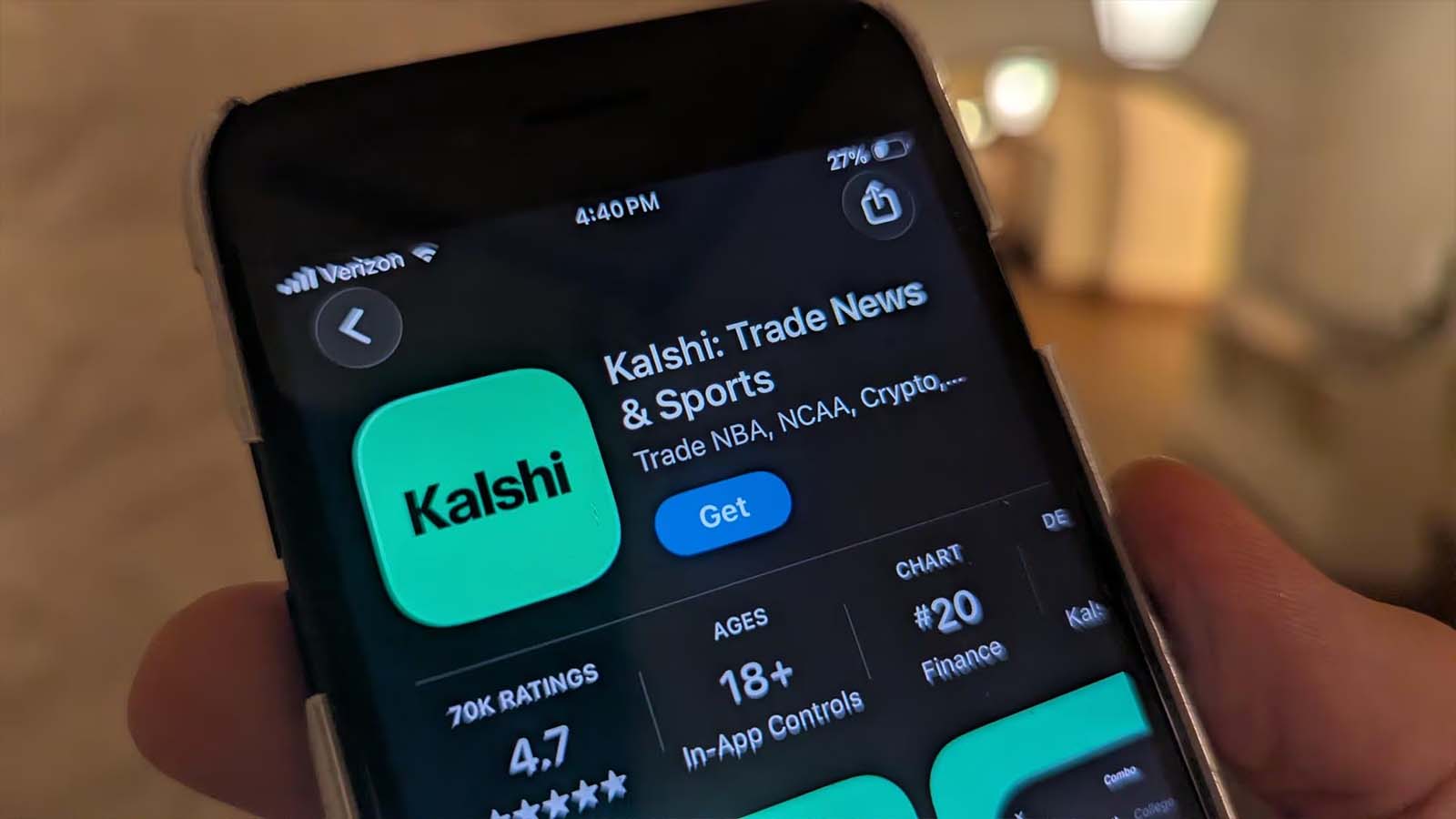
The biggest danger to legal sportsbooks isn’t one more holdout state refusing to legalize. It’s a trading exchange that just won the right to book game wagers in every state at once.
- The books blinked: DraftKings and FanDuel have rolled out event-contract products of their own, muscling into the exact business their trade group is fighting in Washington
- The Third Circuit’s April 6 ruling treats Kalshi’s game-outcome contracts as financial swaps, parking them under federal oversight and, for now, outside state betting law
- Trial judges keep landing on opposite sides, handing Kalshi wins in Tennessee and New Jersey and losses in Maryland, Ohio and Nevada, the kind of standoff that ends up before the justices
- Federal prosecutors and the CFTC went on offense in early April, suing Illinois, Arizona and Connecticut to keep them from aiming gambling statutes at the platforms
WASHINGTON – Legal sportsbooks have spent two years watching a strange new rival inch onto their turf, selling yes-or-no positions on game results that smell an awful lot like bets. This spring a federal appeals court handed those platforms their biggest win yet, and the decision is quietly redrawing the line around who gets to take a sports wager in this country.
The Ruling That Changed the Math
The decision that set off the alarms came from the Third Circuit, which fractured 2-1 in early April and sided with Kalshi in the dispute captioned KalshiEX v. Flaherty. No appeals court had taken a prediction market’s side on the question until then, and a law-firm walkthrough of the opinion spells out the reasoning. The majority treated Kalshi’s positions on game outcomes as swaps, the regulated financial instrument, which slots them under the federal commodities statute, known as the CEA. That law, the judges reasoned, overrides whatever New Jersey’s betting code has to say. The panel also left a lower-court order in place, the one barring the state from going after the exchange. Read the fine print, though, and the win shrinks: the court only sized up Kalshi as the probable eventual winner, not the last word, and shipped the file back for the rest of the case. The opinion stayed deliberately narrow as well, cordoning off trading on a federally licensed venue rather than a state’s general power to police betting.
Why Kalshi Keeps Sportsbook Executives Up at Night
The threat is baked into the structure. Kalshi runs as a federally licensed exchange answering to the CFTC, so it switches on in all fifty states, including California, Texas and Georgia, where a legal sportsbook account simply does not exist. A book has to earn a license in every state it enters, one regulator at a time. Kalshi’s stance is that it owes none of them anything. Its game markets also run on a sliver of the margin a traditional book charges, pair buyers with sellers instead of playing against the customer, and report on a capital-gains form rather than a gambling slip. Volume has rocketed past $21 billion, the bulk of it on sports, and a recent funding round valued the company near $11 billion. For an operator that bled years and fortunes buying into states one at a time, a rival claiming the whole map at once is the worst case. Our sportsbook reviews lay out how the licensed books measure up against these exchanges.
A Split That Points Straight at the Justices
The Third Circuit is not the end of the line, and judges elsewhere have not fallen in step. Lower courts have landed on both sides: Kalshi has prevailed in Tennessee and New Jersey, only to be turned away in Ohio, Maryland and Nevada. Disagreement like that is catnip for the Supreme Court. A Ninth Circuit panel heard arguments this spring in cases involving Robinhood, Crypto.com and Kalshi; the Fourth Circuit picked up Maryland’s appeal weeks later; and the Sixth Circuit is holding clashing decisions from Ohio and Tennessee. Legal scholars expect the question to climb to the top court, and the people trading on these very platforms are wagering it arrives before the year is out. The lone dissenter, Judge Jane Roth, branded the products “virtually indistinguishable from the betting products available on online sportsbooks” and accused the majority of stretching too far.
Washington Throws Its Weight Behind the Exchanges
The federal government has not stayed neutral. Days before the panel ruled, the CFTC and the Justice Department had teamed up to sue Connecticut, Illinois and Arizona, arguing that federal law bars those states from enforcing gambling rules against event contracts. A federal regulator going to court to shield a private trading venue from the states is striking, and it shows how hard this administration leans toward the prediction-market side. The states see a dodge. They argue the platforms slip past the consumer safeguards and the tax bills that come bundled with licensed wagering, all while running sports ads in places that never voted for betting. The American Gaming Association has put a number on the bleed, roughly $1 billion in tax it says the books are forfeiting, the same revenue worry fueling the tax stacks states keep loading onto sportsbooks.
The Books Hedge by Joining In
The loudest tell is what the operators are doing with their own money. Rather than wait on the courts, DraftKings and FanDuel have launched event-contract products themselves, planting a flag in the exact market their association is battling on Capitol Hill. Call it a hedge: swing at Kalshi through the trade group while quietly building a fallback in case the courts bless the model for keeps. The platforms still have soft spots. Kalshi and Polymarket pulled their markets on the Kentucky Derby and the rest of the Triple Crown, because a separate federal statute hands horse racing to state-licensed operators, a reminder that the carve-outs can still draw blood. And with the World Cup arriving on American soil this summer, the next stress test of how far these markets can run is only weeks off.
What It Means If You Bet
Right now, the sports markets on Kalshi, Polymarket and Crypto.com sit within reach almost everywhere, including states where you cannot open a sportsbook account at all. They behave unlike a book, with sharper pricing, no habit of cutting off winners, and a different tax form, but they skip the same-game parlays, deep player props and steady promos that make a sportsbook feel like one. None of this is settled. A loss at the Ninth or Fourth Circuit, or at the Supreme Court, could yank these products out of contested states in a hurry, and the licensed books still carry the consumer protections and responsible-gaming tools the exchanges run thinner on. The level-headed move for a bettor is to treat today’s access as real but provisional, and to watch the appeals courts closely. The map of where you can legally back a team is being redrawn by federal judges, not just by lawmakers.